Have you ever wanted to talk about something that already happened but got confused about which verb form to use? You are not alone.
Many English learners struggle with past tense conjugations because English has different rules for regular and irregular verbs.
Past tense is very important in daily life. We use it to talk about our past actions, experiences, stories, and events. Without it, you cannot properly explain what you did yesterday, last week, or even years ago.
In this guide, you will learn everything about past tense conjugations in a simple and easy way. You will see rules, tables, examples, practice questions, and common mistakes.
By the end, you will feel more confident using past tense in speaking and writing.
Quick Answer (Featured Snippet)
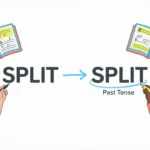
Past tense conjugation is the form of a verb used to show an action that already happened in the past.
Simple Table:
| Base Verb | Past Tense | Example |
|---|---|---|
| walk | walked | I walked to school |
| go | went | She went home |
| eat | ate | They ate dinner |
Explanation (Basic → Advanced)
What is Past Tense?
Past tense is a verb form that shows completed actions in the past.
Example:
- I played football yesterday.
- She visited her grandmother.
Types of Past Tense
There are four main types:
- Simple Past
- Past Continuous
- Past Perfect
- Past Perfect Continuous
Why is it important?
- Helps tell stories
- Used in daily conversation
- Needed for exams and writing
- Shows time clearly
Forms / Conjugation
1. Verb Forms Table
📘 Irregular Verb Forms Table
| Base Form | Past Simple | Past Participle |
|---|---|---|
| go | went | gone |
| eat | ate | eaten |
| play | played | played |
| write | wrote | written |
| see | saw | seen |
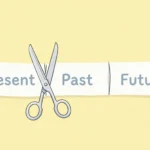
📗 Verb Tense Overview
| Tense Type | Structure | Example |
|---|---|---|
| Present | eat / eats | I eat rice |
| Past | ate | I ate rice |
| Future | will eat | I will eat rice |
Comparison Section
1. Past vs Present
- Present: I eat rice daily.
- Past: I ate rice yesterday.
2. Past vs Future
- Past: She went to school.
- Future: She will go to school.
3. Regular vs Irregular Verbs
- Regular: play → played
- Irregular: go → went
4. Simple vs Continuous
- Simple: I watched a movie.
- Continuous: I was watching a movie.
5. Past Perfect vs Simple Past
- Simple Past: I ate dinner.
- Past Perfect: I had eaten dinner before he came.
Sentence Structure
1. Simple Past Formula
Subject + Verb (past form) + Object
- I played football.
- She cooked food.
2. Negative Form
Subject + did not + base verb
- I did not go to school.
- They did not watch TV.
3. Questions
Did + subject + base verb?
- Did you play football?
- Did she come home?
Real Life Usage
- I woke up early yesterday.
- She went to the market.
- They watched a movie last night.
- We played cricket in the evening.
- He finished his homework.
- I visited my friend.
- She cooked delicious food.
- They traveled to Lahore.
- I studied English grammar.
- He bought a new phone.
- We talked for hours.
- She cleaned her room.
- I missed the bus.
- They enjoyed the party.
- He called me yesterday.
Common Mistakes
1. Wrong: I goed home ❌
Correct: I went home ✅
👉 “Go” is irregular.
2. Wrong: She eated food ❌
Correct: She ate food ✅
👉 Irregular verb form.
3. Wrong: Did you went there? ❌
Correct: Did you go there? ✅
👉 After “did,” use base verb.
4. Wrong: I was go to school ❌
Correct: I was going to school ✅
👉 Use continuous form.
Key Grammar Rules
- Add ed to regular verbs in past tense.
- Irregular verbs do not follow a fixed rule.
- Use did + base verb in questions.
- Use did not + base verb in negatives.
- Past tense always refers to finished actions.
Advanced Usage
1. Past Continuous
- Structure: was/were + verb ing
- Example: I was reading a book.
2. Past Perfect
- Structure: had + past participle
- Example: I had finished my work.
3. Past Perfect Continuous
- Structure: had been + verb ing
- Example: I had been studying for two hours.
Practice Section
Fill in the blanks
- I ___ (go) to school yesterday.
- She ___ (eat) rice.
- They ___ (play) football.
- He ___ (write) a letter.
- We ___ (see) a movie.
Answers:
- went
- ate
- played
- wrote
- saw
MCQs
- What is the past of “go”?
A) goed B) went C) going
Answer: B - Which is correct?
A) I eated B) I ate C) I eat
Answer: B - “Did you ___ there?”
A) went B) go C) gone
Answer: B - Past tense shows:
A) future action B) present action C) completed action
Answer: C - “Play” in past tense is:
A) played B) playing C) plays
Answer: A
Error Correction
- I goed home → I went home
- She eated food → She ate food
- They was playing → They were playing
- Did you went? → Did you go?
- He write letter → He wrote letter
FAQs
1. What is past tense conjugation?
It is the verb form used for actions that already happened.
2. How many types of past tense are there?
There are four main types.
3. What is the rule for regular verbs?
Add “ ed” to the base verb.
4. Why are irregular verbs difficult?
Because they do not follow fixed rules.
5. Can we use “did” with past tense verbs?
No, use base verb after “did.”
Conclusion
Mastering past tense conjugations is very important for English fluency. It helps you talk about your daily life, past experiences, and stories clearly. Although there are many rules, practice makes everything easy.
Start by learning common verbs and their past forms. Then practice speaking and writing daily sentences. Do not worry about mistakes they are part of learning.
If you keep practicing, you will soon use past tense naturally and confidently in real conversations. Keep learning and improving every day.

Hi, I’m Noah Bester, a tenses expert passionate about simplifying English grammar. I create practical, easy-to-understand guides to help learners master tenses with confidence. My goal is to make grammar clear, useful, and applicable in everyday communication. tenseshub.com