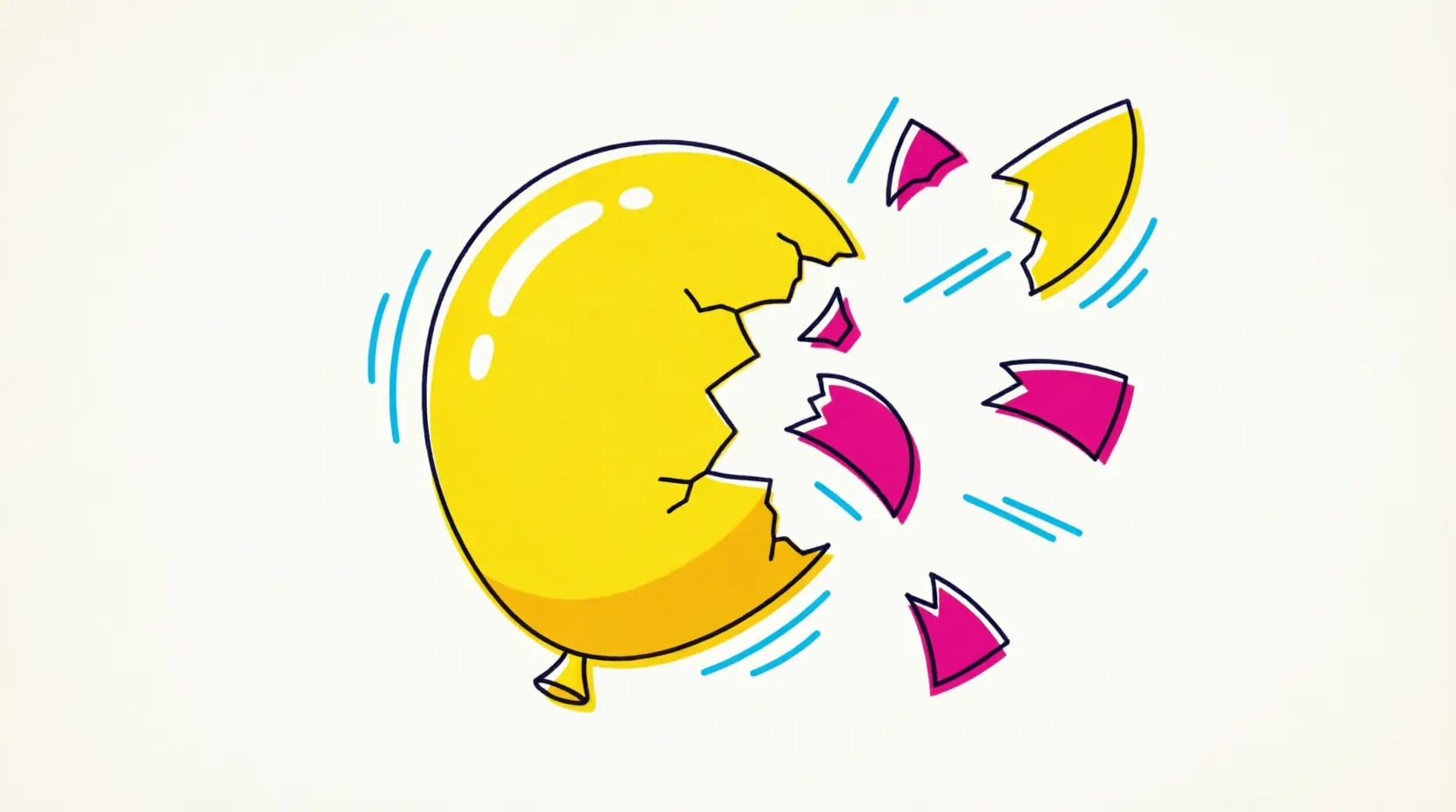
Have you ever wondered why we say “the balloon burst” instead of “bursted”? This is a common confusion for many English learners.
The burst past tense can feel tricky because it doesn’t change like regular verbs.
In simple words, “burst” stays the same in past tense, which surprises many students, writers, and bloggers.
Understanding the burst past tense is important for writing clearly and speaking correctly in daily English.
If you’re learning grammar, writing content, or improving your English skills, mastering this verb will make your communication smoother and more natural.
FEATURED SNIPPET
Verb Forms Table
| Verb Form | Example |
|---|---|
| Base Form | burst |
| Past Tense | burst |
| Past Participle | burst |
DETAILED EXPLANATION (Simple → Advanced)
Meaning of “Burst”
“Burst” means to break open suddenly due to pressure or force.
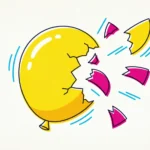
👉 Example: The balloon burst.
Basic Rule
Unlike regular verbs (walk → walked), “burst” does NOT add ed.
It remains the same in:
- Present
- Past
- Past participle
Usage
You use “burst”:
- When something breaks suddenly
- When expressing strong emotions
- In both spoken and written English
Advanced Understanding
“Burst” is an irregular verb. These verbs do not follow standard rules, so they must be memorized.
FORMS / CONJUGATION TABLES
Burst – Basic Forms with Examples
| Tense / Form | Verb Form | Example Sentence |
|---|---|---|
| Base Form | burst | I burst the balloon |
| Past Tense | burst | The balloon burst yesterday |
| Past Participle | burst | It has burst already |
| Present Continuous | bursting | The pipe is bursting |
| Past Continuous | bursting | It was bursting suddenly |
| Future | will burst | It will burst soon |
COMPARISON SECTION
Burst vs Break – Difference
Burst = sudden explosion
Break = general damage
Sentence 1: The pipe burst.
Sentence 2: The glass broke.
Past vs Present
Sentence 1: The balloon burst yesterday.
Sentence 2: The balloon bursts easily.
Past vs Past Participle
Sentence 1: The tire burst on the road.
Sentence 2: The tire has burst twice this week.
Burst vs Explode
Burst = pressure based breaking
Explode = violent blast
Sentence 1: The balloon burst.
Sentence 2: The bomb exploded.
Burst vs Tear
Burst = internal pressure
Tear = external force
Sentence 1: The bag burst.
Sentence 2: He tore the paper.
SENTENCE STRUCTURE
Simple Sentences Formula
Subject + Verb + Object
Examples:
- The balloon burst.
- The pipe burst suddenly.
- The bubble burst quickly.
- My bag burst open.
- The dam burst last night.
Negative Sentences Formula
Subject + did not + burst
Examples:
- The balloon did not burst.
- The pipe did not burst yesterday.
- The bag did not burst open.
- The tire did not burst suddenly.
- The bubble did not burst easily.
Interrogative Sentences Formula
Did + Subject + burst?
Examples:
- Did the balloon burst?
- Did the pipe burst last night?
- Did the tire burst suddenly?
- Did the bag burst open?
- Did the bubble burst quickly?
REAL LIFE EXAMPLES
- The balloon burst loudly.
- My tire burst on the highway.
- The pipe burst in winter.
- The dam burst after heavy rain.
- She burst into tears.
- The bubble burst quickly.
- His anger burst out suddenly.
- The bag burst open.
- The water pipe burst yesterday.
- The balloon burst in my hand.
- Did the tire burst?
- Why did the pipe burst?
- The balloon did not burst.
- My bag did not burst open.
- The dam did not burst suddenly.
- The crowd burst into laughter.
- The child burst into tears.
- The bubble burst again.
- The pipe burst without warning.
- The tire burst on the road.
DAILY USE + DIALOGUE
Conversation Example:
A: What happened to your tire?
B: It burst on the way home.
A: Really? Did you fix it?
B: Yes, I replaced it quickly.
A: That sounds stressful!
COMMON MISTAKES
❌ Incorrect: The balloon bursted.
✅ Correct: The balloon burst.
👉 Reason: “Burst” is irregular, no “ ed” needed
❌ Incorrect: It has bursted.
✅ Correct: It has burst.
👉 Reason: Same form for past participle
❌ Incorrect: The pipe is bursted.
✅ Correct: The pipe has burst.
GRAMMAR RULES
- “Burst” is an irregular verb
- Same form for all tenses (burst, burst, burst)
- Use “did” for past questions
- Never add “ ed”
- Use “has/have” for perfect tense
ADVANCED USAGE
Continuous Form
- The pipe is bursting.
- The balloon was bursting.
Perfect Form
- The pipe has burst.
- The tire had burst before we arrived.
Future Form
- The balloon will burst soon.
- The pipe may burst again.
PRACTICE SECTION
Fill in the Blanks
- The balloon ___ (burst) yesterday.
- The pipe has ___ (burst).
- The tire ___ (burst) suddenly.
- The bag did not ___ (burst).
- Did the bubble ___ (burst)?
MCQs
- Past tense of burst:
a) bursted
b) burst ✅
c) bursting - Past participle is:
a) burst ✅
b) bursted
c) bursts - Correct sentence:
a) It bursted
b) It has burst ✅
c) It bursting - “Burst” is:
a) Regular
b) Irregular ✅ - Choose correct:
a) The tire bursted
b) The tire burst ✅
Error Correction
- The balloon bursted → The balloon burst
- It has bursted → It has burst
- The pipe is bursted → The pipe has burst
- He bursted into tears → He burst into tears
- The tire bursted suddenly → The tire burst suddenly
Answers
(All answers shown above)
FAQs
1. What is the past tense of burst?
It is “burst.”
2. Is “bursted” correct?
No, it is incorrect.
3. What is the past participle?
“Burst.”
4. Is burst regular or irregular?
Irregular verb.
5. Can burst be used in perfect tense?
Yes: “has burst.”
6. Example of burst in past?
The balloon burst.
7. Why doesn’t it change?
Because it’s irregular.
Conclusion
Learning irregular verbs like “burst” may seem confusing at first, but with practice, they become easy and natural.
The key is to remember that “burst” does not change in past tense or past participle.
By using it in daily conversations, writing sentences, and practicing exercises, you can master it quickly.
Consistency is important try using “burst” in your own sentences every day.
You can also use grammar tools or checkers to improve your accuracy.
Keep practicing, stay curious, and your English skills will improve faster than you expect!
Hi, I’m Robert Lowth, a passionate expert in English tenses and grammar. I specialize in simplifying complex tense rules to help learners understand and use English with confidence. My goal is to make grammar clear, practical, and easy for everyday communication. tenseshub.com