Have you ever written a sentence like “Yesterday I spin the wheel” and wondered if it sounds right? You’re not alone.
Many learners get confused about the spin past tense, especially because it’s an irregular verb.
The word spin changes differently compared to regular verbs, which makes it tricky for students, bloggers, and writers.
Understanding the spin past tense helps you speak clearly, write correctly, and avoid common grammar mistakes.
In simple terms, spin means to turn around quickly. But when we talk about the past, we don’t say spined we say something else.
Learning the correct form of spin past tense will improve your grammar skills and boost your confidence in English communication.
FEATURED SNIPPET
| Base Form | Past Tense | Past Participle | Example |
|---|---|---|---|
| spin | spun | spun | She spun the bottle yesterday. |
DETAILED EXPLANATION
Basic Meaning
Spin means to turn quickly around a center point.
👉 Example: The dancer spins on stage.
Past Tense Rule
Unlike regular verbs (walk → walked), spin is irregular.
- ❌ Incorrect: spined
- ✅ Correct: spun
Usage
We use spun when talking about something that already happened.
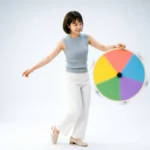
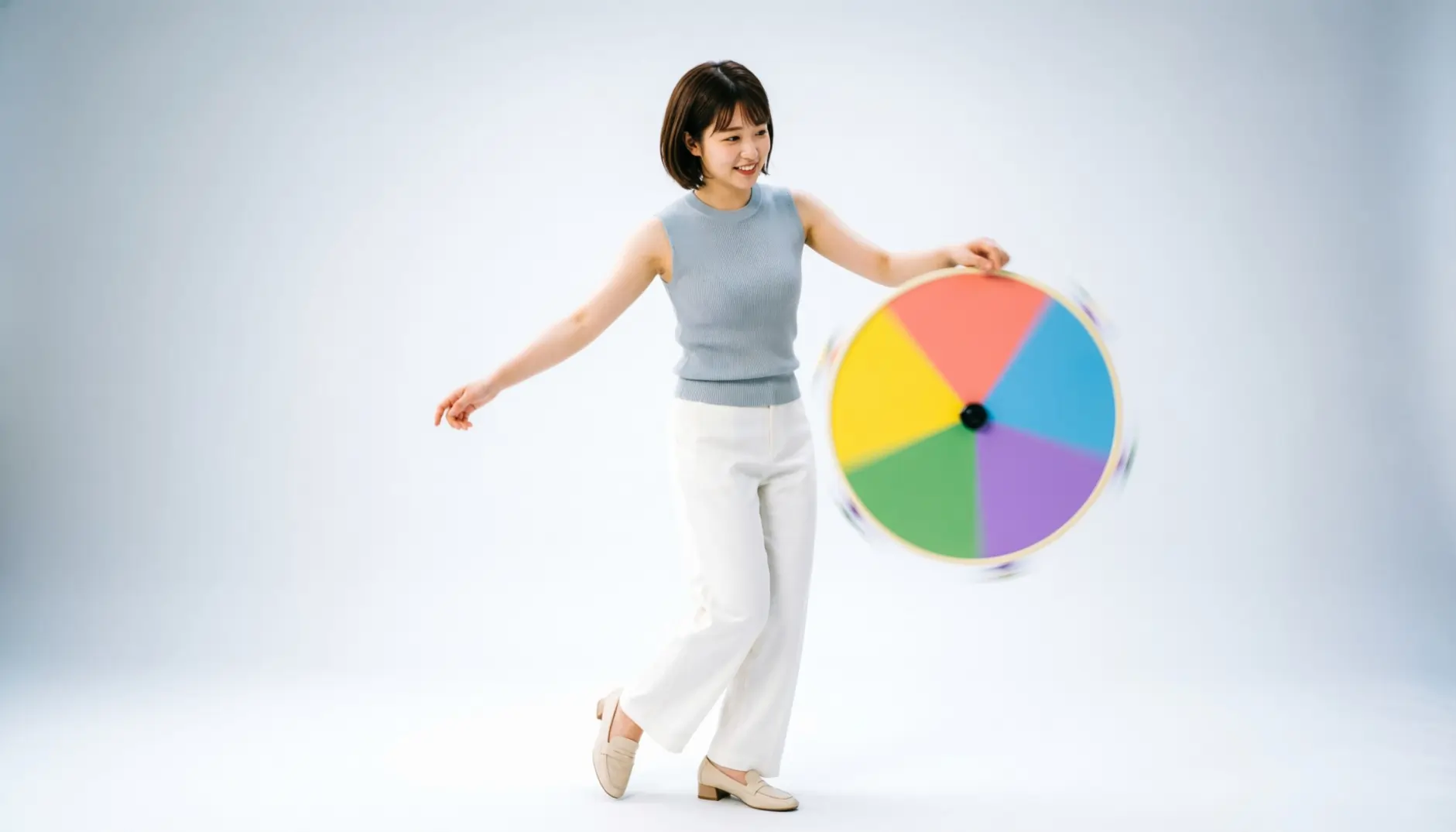
👉 Example: He spun the wheel last night.
Advanced Understanding
- “Spun” can also be used figuratively (stories, lies, ideas).
- It can describe continuous motion in storytelling.
👉 Example: She spun a beautiful story.
FORMS / CONJUGATION TABLES
🔤 Basic Verb Forms
| Form | Verb |
|---|---|
| Base Form | Spin |
| Past Tense | Spun |
| Past Participle | Spun |
| Present Participle | Spinning |
⏳ Tense Table
| Tense | Example Sentence |
|---|---|
| Present | I spin the wheel. |
| Past | I spun the wheel. |
| Future | I will spin the wheel. |
| Present Perfect | I have spun the wheel. |
| Past Perfect | I had spun the wheel. |
COMPARISON SECTION
Spin vs Spun – short difference
Spin is present; spun is past.
Sentence 1: I spin the bottle every day.
Sentence 2: I spun the bottle yesterday.
Spun vs Spun (Past vs Past Participle)
Both are same in form but used differently.
Sentence 1: She spun the wheel.
Sentence 2: She has spun the wheel.
Past vs Present
Present shows now; past shows before.
Sentence 1: He spins fast.
Sentence 2: He spun fast.
Past vs Past Continuous
Past = completed; continuous = ongoing in past.
Sentence 1: She spun once.
Sentence 2: She was spinning all day.
Past vs Present Perfect
Past = specific time; perfect = experience/result.
Sentence 1: I spun it yesterday.
Sentence 2: I have spun it before.
SENTENCE STRUCTURE
Simple Sentences Formula
Subject + Verb + Object
Examples:
- I spun the wheel.
- She spun around.
- They spun the toy.
- He spun quickly.
- We spun the bottle.
Negative Sentences Formula
Subject + did not + base verb
Examples:
- I did not spin the wheel.
- She did not spin yesterday.
- They didn’t spin it.
- He did not spin fast.
- We didn’t spin the toy.
Interrogative Sentences Formula
Did + Subject + base verb?
Examples:
- Did you spin the wheel?
- Did she spin it?
- Did they spin yesterday?
- Did he spin fast?
- Did we spin the bottle?
REAL LIFE EXAMPLES
- I spun the chair for fun.
- She spun the bottle at the party.
- He spun around in excitement.
- They spun the wheel yesterday.
- The child spun happily.
- I spun the coin.
- She spun quickly and laughed.
- He spun the toy all day.
- We spun the rope.
- The dancer spun beautifully.
- Did you spin it?
- Why did she spin so fast?
- He didn’t spin the wheel.
- I didn’t spin anything.
- Did they spin the bottle?
- She spun once and stopped.
- He spun like a pro.
- We spun the game wheel.
- The fan spun slowly.
- The earth spun silently.
DAILY USE + DIALOGUE
Conversation 1:
A: Did you spin the wheel?
B: Yes, I spun it yesterday.
A: What did you get?
B: I got a prize!
Conversation 2:
A: Why were you laughing?
B: I spun around too fast!
A: That sounds fun.
COMMON MISTAKES (VERY IMPORTANT)
❌ I spined the wheel.
✅ I spun the wheel.
👉 Mistake: Adding “ ed” to irregular verb
❌ I have spin the wheel.
✅ I have spun the wheel.
👉 Mistake: Wrong past participle
❌ Did you spun it?
✅ Did you spin it?
👉 Mistake: Using past form after “did”
GRAMMAR RULES
- Spin is an irregular verb → no “ ed”
- Past tense = spun
- After “did,” always use base verb
- Past participle = spun (with has/have/had)
- Use “spinning” for continuous forms
ADVANCED USAGE
Continuous Form
- She was spinning around.
Perfect Form
- She has spun the wheel.
Future Form
- She will spin the wheel.
Past Perfect
- She had spun before I arrived.
PRACTICE SECTION (ENGAGEMENT BOOST)
Fill in the blanks
- She ___ the wheel yesterday.
- I have ___ it before.
- Did you ___ it?
- He ___ around quickly.
- They had ___ it already.
MCQs
- Past tense of spin?
a) spined
b) spun ✅
c) spin - Past participle?
a) spun ✅
b) spin
c) spinning - Correct sentence?
a) I spined it
b) I spun it ✅
c) I spin it yesterday - After “did”?
a) spun
b) spin ✅
c) spinning - Continuous form?
a) spun
b) spinning ✅
c) spin
Error Correction
- I spined it → I spun it
- Did you spun it → Did you spin it
- I have spin → I have spun
- He spined fast → He spun fast
- She did not spun → She did not spin
Answers
Fill blanks: spun, spun, spin, spun, spun
FAQs
1. What is spin past tense?
👉 It is “spun.”
2. Is “spined” correct?
👉 No, it’s incorrect.
3. What is past participle?
👉 “Spun.”
4. When to use spun?
👉 For past actions.
5. Example of spun?
👉 She spun the wheel.
6. Is spin regular?
👉 No, irregular.
7. Can spun be used in perfect tense?
👉 Yes: I have spun it.
CONCLUSION
Understanding the spin past tense is essential for clear and correct English communication.
Since spin is an irregular verb, it doesn’t follow the usual “ ed” rule, which is why many learners make mistakes like saying spined.
The correct past and past participle form is spun, and using it properly can instantly improve your grammar.
From simple sentences to advanced usage like perfect and continuous tenses, mastering this verb gives you more control over your language.
The key is consistent practice use spin and spun in daily conversations, writing exercises, and real life examples.
Hi, I’m Robert Lowth, a passionate expert in English tenses and grammar. I specialize in simplifying complex tense rules to help learners understand and use English with confidence. My goal is to make grammar clear, practical, and easy for everyday communication. tenseshub.com