Have you ever written a sentence like “I wind the clock yesterday” and felt something was off?
You’re not alone. Many learners get confused with the wind past tense because this verb has two different meanings and each has a different past form!
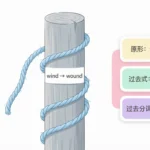
In simple words, “wind” can mean to twist or turn something or moving air.
But here’s the tricky part: the past tense depends on how you use it.
For students, bloggers, and writers, understanding the correct wind past tense is important for clear and correct communication.
In this guide, you’ll learn everything step by step from basic meanings to advanced usage so you never make this mistake again.
FEATURED SNIPPET
Past Tense of Wind
| Meaning | Present | Past | Past Participle |
|---|---|---|---|
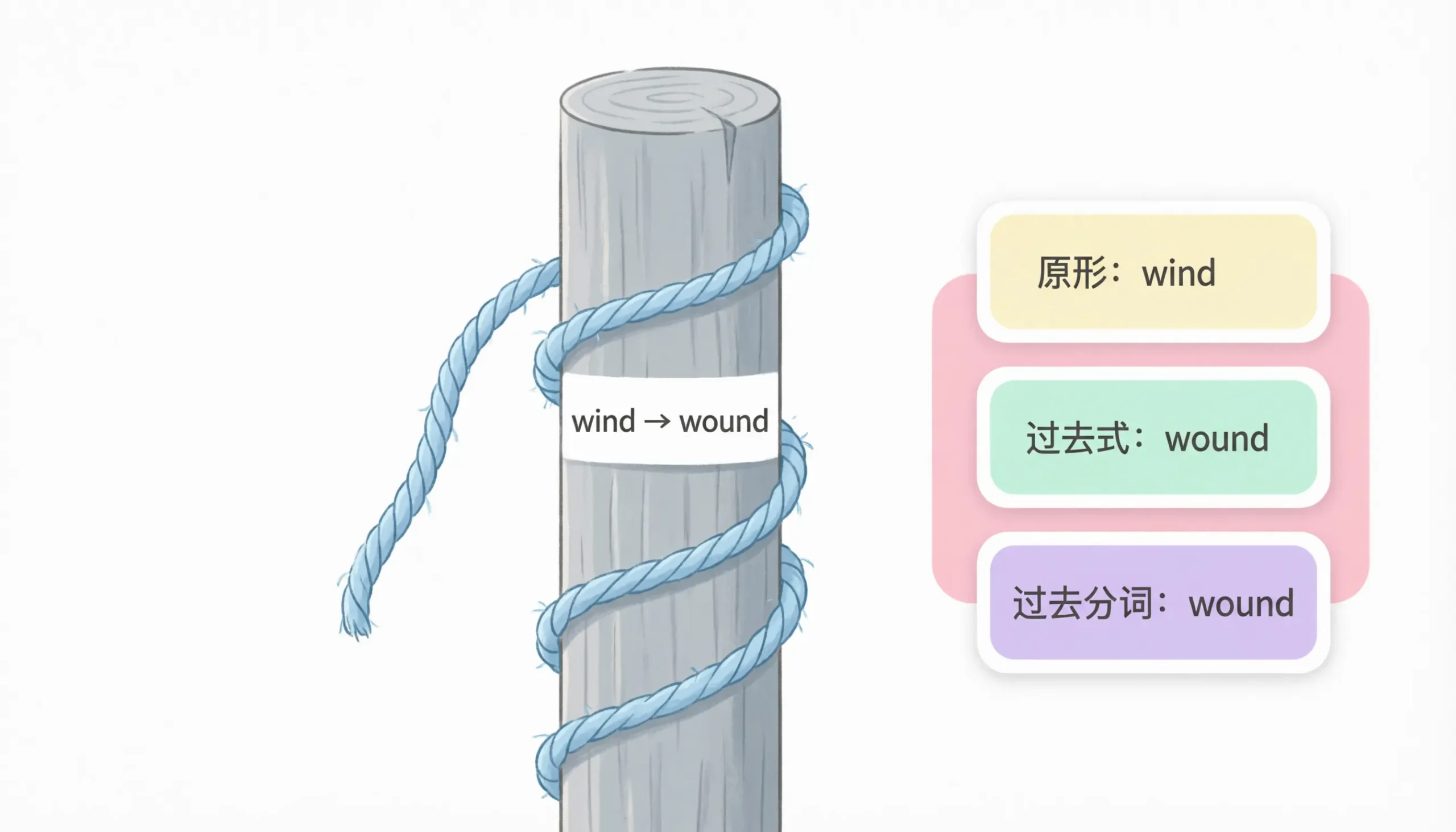
| To twist/turn | wind | wound | wound |
| Moving air | wind | winded (rare) | winded (rare) |
DETAILED EXPLANATION
1. Basic Meaning
- Wind (verb) = to twist, turn, or wrap something
Example: I wind the rope.
2. Past Tense Forms
- Wound (pronounced woond) → most common
Example: I wound the rope yesterday. - Winded → used when talking about breath (different meaning)
Example: He was winded after running.
3. Key Idea
The confusion happens because:
- “Wind” (twist) → Wound (past)
- “Wind” (air) → not usually used in past tense form
FORMS / CONJUGATION TABLES
Main Verb – Wind
| Form | Verb |
|---|---|
| Base Form | wind |
| Present | wind / winds |
| Past | wound |
| Past Participle | wound |
| Future | will wind |
Example Sentences
- Present: She winds the clock daily.
- Past: She wound the clock yesterday.
- Future: She will wind the clock tomorrow.
COMPARISON SECTION
Wind vs Wound – short difference
Wind = present
Wound = past
Sentence 1: I wind the thread.
Sentence 2: I wound the thread.
Past vs Present
Present = wind
Past = wound
Sentence 1: They wind the rope.
Sentence 2: They wound the rope.
Past vs Past Participle
Past = wound
Past participle = wound
Sentence 1: He wound the wire.
Sentence 2: He has wound the wire.
Wind vs Winded
Wound = twisting action
Winded = short of breath
Sentence 1: She wound the tape.
Sentence 2: She was winded after exercise.
Active vs Passive
Active = subject does action
Passive = action is done to subject
Sentence 1: He wound the clock.
Sentence 2: The clock was wound by him.
SENTENCE STRUCTURE
1. Simple Sentences Formula
Subject + Verb (past) + Object
Examples:
- I wound the rope.
- She wound the thread.
- He wound the wire.
- They wound the string.
- We wound the cable.
2. Negative Sentences Formula
Subject + did not + base verb
Examples:
- I did not wind the rope.
- She did not wind the clock.
- He didn’t wind the wire.
- They did not wind the thread.
- We didn’t wind the cable.
3. Interrogative Sentences Formula
Did + subject + base verb?
Examples:
- Did you wind the rope?
- Did she wind the clock?
- Did he wind the wire?
- Did they wind the thread?
- Did we wind the cable?
REAL LIFE EXAMPLES
- I wound the clock before sleeping.
- She wound the thread carefully.
- He wound the cable neatly.
- They wound the rope around the pole.
- We wound the wire tightly.
- Did you wind the watch?
- Did she wind the yarn?
- He did not wind the rope properly.
- She didn’t wind the thread.
- Why did you wind the cable?
- I wound it by mistake.
- He wound the string too tightly.
- They wound everything quickly.
- We wound the tape slowly.
- Did they wind it yesterday?
- I didn’t wind it correctly.
- She wound it again.
- He wound it before leaving.
- Why didn’t you wind it?
- We wound the rope together.
DAILY USE + DIALOGUE
Conversation 1:
A: Did you wind the clock?
B: Yes, I wound it this morning.
A: Good, it’s working now.
B: It stopped yesterday.
Conversation 2:
A: Why is the rope loose?
B: I didn’t wind it properly.
A: Let me fix it.
B: Thanks!
COMMON MISTAKES
❌ Incorrect: I wind the clock yesterday.
✅ Correct: I wound the clock yesterday.
👉 Reason: Past tense needed
❌ Incorrect: He winded the rope.
✅ Correct: He wound the rope.
👉 Reason: “Winded” is for breath, not twisting
❌ Incorrect: She has wind the thread.
✅ Correct: She has wound the thread.
👉 Reason: Past participle form required
GRAMMAR RULES
- Use “wound” for past tense of wind (twist meaning)
- Use base verb after “did”
- Use wound after “has/have”
- Avoid using “winded” for twisting
- Always match tense with time words (yesterday, last night)
ADVANCED USAGE
Continuous Form
- I was winding the rope.
- She is winding the thread.
Perfect Form
- I have wound the cable.
- She had wound the rope before leaving.
Future Form
- I will wind the rope.
- She will wind the thread tomorrow.
PRACTICE SECTION
Fill in the blanks
- I ___ the rope yesterday.
- She has ___ the thread.
- They ___ the cable last night.
- He did not ___ the wire.
- Did you ___ the clock?
Answers: wound, wound, wound, wind, wind
MCQs
- Past tense of wind?
a) winded
b) wound ✅
c) winding - Correct sentence?
a) I wind yesterday
b) I wound yesterday ✅ - Past participle?
a) wound ✅
b) wind - Negative form?
a) did not wind ✅
b) did not wound - “Winded” means?
a) twisted
b) out of breath ✅
Error Corrections
- I wind it yesterday → I wound it yesterday
- He winded the rope → He wound the rope
- She has wind it → She has wound it
- They did not wound it → They did not wind it
- Did you wound it? → Did you wind it?
FAQs
1. What is wind past tense?
👉 It is wound (for twisting meaning).
2. Is “winded” correct?
👉 Only for breath, not twisting.
3. What is past participle of wind?
👉 Wound
4. Can wind have two meanings?
👉 Yes—twist and air
5. Is wind regular or irregular?
👉 Irregular verb
6. Example sentence?
👉 She wound the rop
CONCLUSION
Understanding the wind past tense may seem confusing at first, but once you know the difference between wind, wound, and winded, everything becomes much clearer.
The key takeaway is simple: use “wound” when you mean twisting or turning something, and avoid using “winded” in that context.
With practice, this irregular verb will become second nature.
Whether you’re a student, writer, or blogger, mastering verbs like “wind” improves both your speaking and writing skills.
Don’t just memorize practice using it in real sentences daily.

Hi, I’m Noah Bester, a tenses expert passionate about simplifying English grammar. I create practical, easy-to-understand guides to help learners master tenses with confidence. My goal is to make grammar clear, useful, and applicable in everyday communication. tenseshub.com